Backpacking the Babine Mountains Provincial Park
Posted on October 15, 2026 • 4 minutes • 812 words
Table of contents
- What are the best backpacking routes in Babine Mountains Provincial Park?
- How to prepare for backpacking in Babine Mountains Provincial Park?
- What wildlife can backpackers expect in Babine Mountains Provincial Park?
- Where to camp while backpacking in Babine Mountains Provincial Park?
- What are the best times to backpack in Babine Mountains Provincial Park?
- Frequently Asked Questions
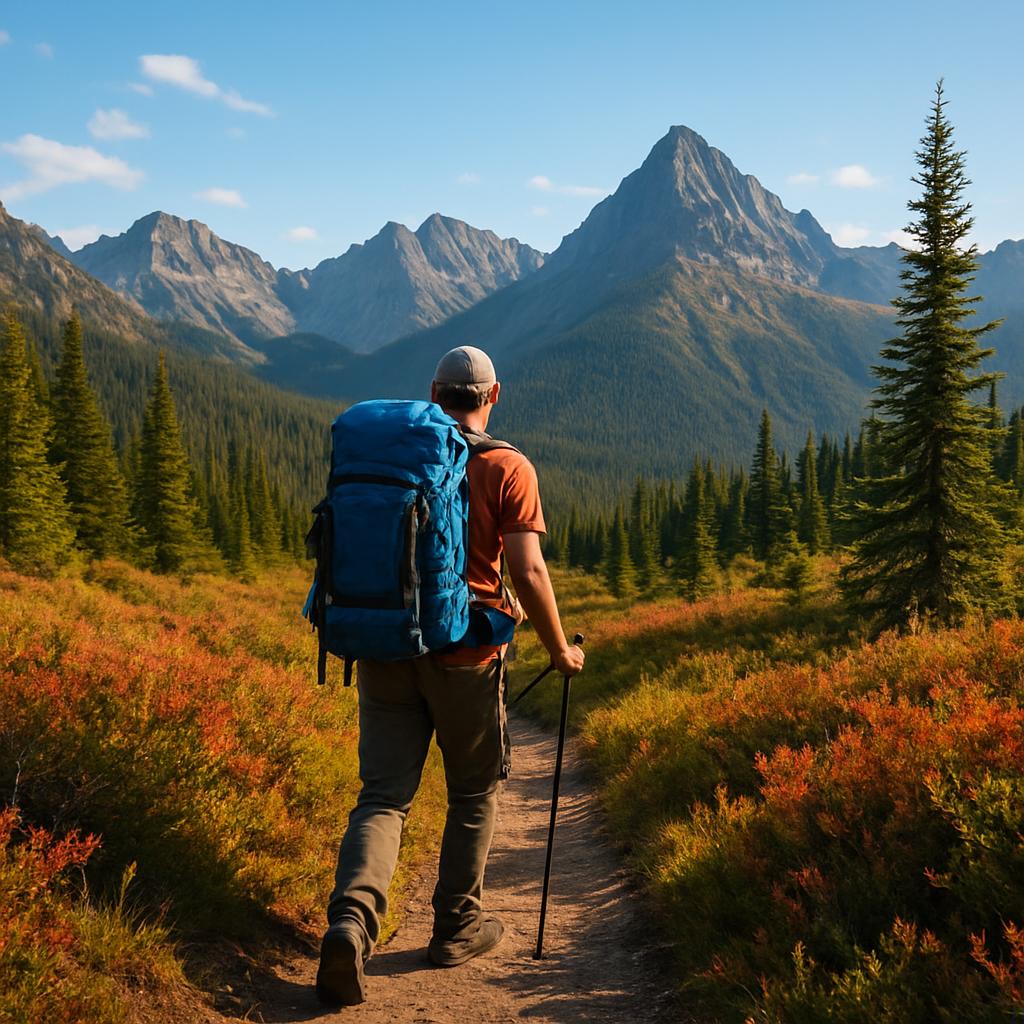
Exploring the wilds of British Columbia offers some of the most rewarding backpacking adventures in Canada. Among these remote treasures lies Babine Mountains Provincial Park, a pristine wilderness area that promises solitude, stunning vistas, and a true escape into nature. This vast park is ideal for backpackers eager to traverse untouched trails, witness rich biodiversity, and experience the serene beauty of the mountains. Whether you’re planning a day hike or an extended trek, Babine Mountains delivers an unforgettable outdoor experience away from the crowds.
What are the best backpacking routes in Babine Mountains Provincial Park?
Babine Mountains Provincial Park features diverse trails that range from moderate to challenging, suited for various skill levels. Some of the top backpacking routes include:
- Charlie Lake Loop: A moderate circuit trail offering views of alpine meadows, dense forests, and quiet lakes, perfect for a 2-3 day trek.
- Nares Lake Trail: A more rugged path that heads to the park’s higher elevations with panoramic mountain views, ideal for seasoned backpackers.
- Babine Mountain Summit Trail: A steep but rewarding ascent leading to breathtaking summit scenery, recommended for day-hikers or overnight trips.
- Bear Creek Valley Route: Less traveled and more demanding, this route weaves through remote valleys where wildlife sightings are common.
Trailheads are typically accessible via logging roads and require careful navigation. Backpackers should prepare for limited signage and variable trail conditions.
How to prepare for backpacking in Babine Mountains Provincial Park?
Preparation is key when heading into a remote park like Babine Mountains. Weather conditions can change rapidly, and the terrain can be challenging.
- Pack layered clothing suitable for cool temperatures and rain, including waterproof jackets.
- Bring navigation tools such as GPS devices or detailed topographic maps, alongside a compass.
- Carry sufficient food and water; water sources are available but must be treated before drinking.
- Include a first aid kit tailored for wilderness conditions.
- Prepare for wildlife encounters by packing bear spray and knowing safety practices.
Inform others of your itinerary and expected return. Satellite phones or emergency beacons are valuable for extended backcountry travel here due to limited cell coverage.
What wildlife can backpackers expect in Babine Mountains Provincial Park?
Babine Mountains Provincial Park supports a wide variety of wildlife, providing excellent opportunities for nature observation.
- Large mammals include black bears, moose, mule deer, and mountain goats.
- Bird enthusiasts might spot eagles, hawks, and songbirds native to this mountainous ecosystem.
- Smaller creatures like marmots and squirrels are commonly seen along trails.
Always observe wildlife from a safe distance and follow park guidelines to minimize disturbance. Early morning and late evening are the best times for animal sightings.
Where to camp while backpacking in Babine Mountains Provincial Park?
Campsites in Babine Mountains are mostly backcountry and offer a rugged wilderness experience without developed facilities.
- Designated backcountry campsites exist near some trailheads and popular rest spots close to lakes or streams.
- Practicing Leave No Trace principles is critical to preserving the park’s natural beauty.
- Carry a lightweight tent or hammock and a portable stove, as open fires are typically prohibited.
- Camping permits may be required; checking with BC Parks ahead of your trip is recommended.
Choosing a flat, sheltered spot near water sources can improve comfort while respecting environmental regulations ensures the park remains pristine.
What are the best times to backpack in Babine Mountains Provincial Park?
The optimum backpacking season in Babine Mountains Provincial Park usually spans from late June through early September.
- Snow typically melts by mid to late June, opening up most trails.
- Summer months provide stable weather, warmer temperatures, and longer daylight hours.
- Spring and fall offer quieter trails but can present snowy, icy conditions and colder nights.
- Winters are best left for experienced mountaineers equipped for snow travel as snow depth can be significant.
Always check local weather conditions and trail status before heading out since mountain weather can be unpredictable.
Frequently Asked Questions
How long does a typical backpacking trip take in Babine Mountains Provincial Park?
Backpacking trips often last between 2 to 5 days, depending on the route and pace. Popular loops and summit hikes can be completed in shorter trips, while extended exploration requires more time.
Are there any permits needed to backpack in Babine Mountains Provincial Park?
A backcountry camping permit is usually required, especially for overnight stays. It’s best to check with BC Parks’ official website or visitor centers for the most current permit rules.
Can I bring pets on backpacking trips in Babine Mountains Provincial Park?
Pets are allowed but must be kept on a leash at all times to protect wildlife and other visitors. Make sure to clean up after your pet to maintain the park’s cleanliness.
What safety precautions should I take against bears in the park?
Carrying bear spray, hiking in groups, making noise while hiking, and storing food in bear-proof containers or hanging it properly are recommended safety measures during your backpacking trip.