A Guide to Whale Watching Along Canadas Coasts
Posted on September 5, 2025 • 4 minutes • 734 words
Table of contents
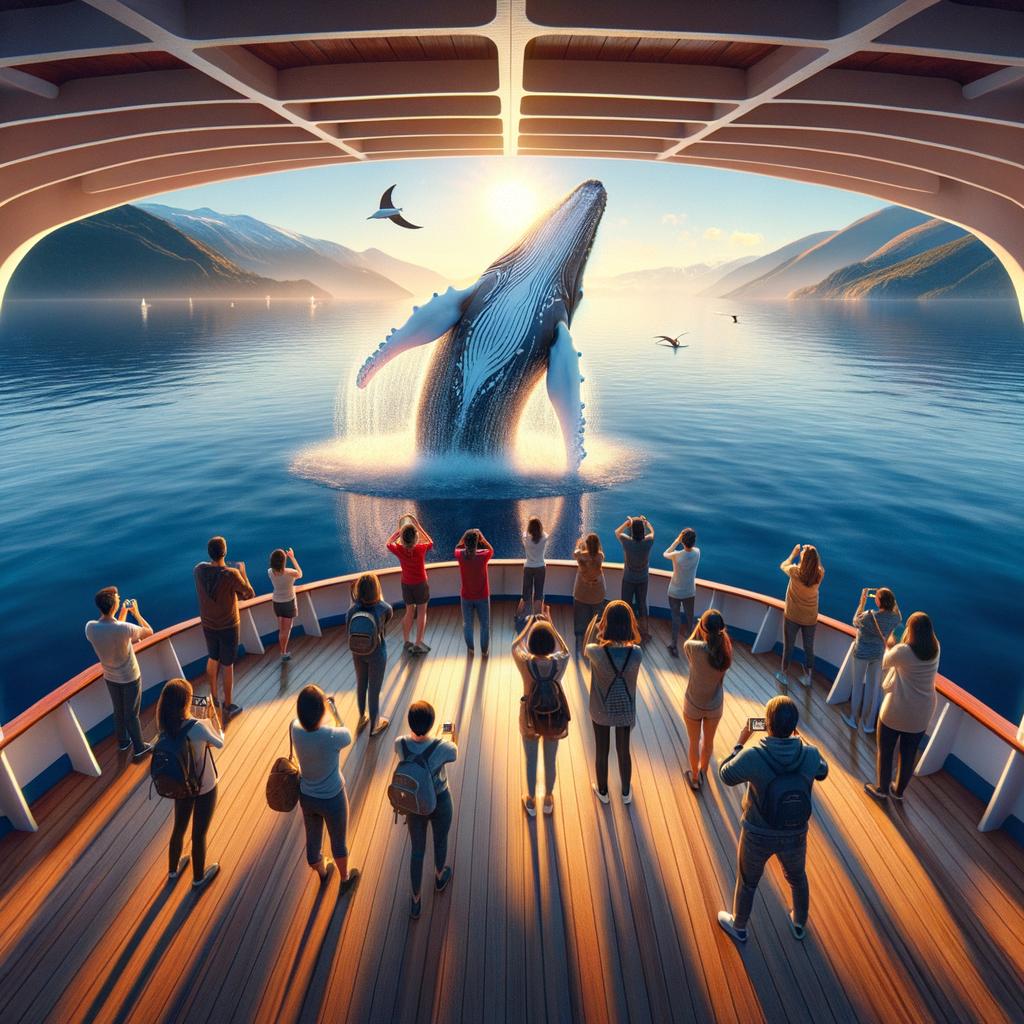
Whale watching is an exhilarating experience that connects nature enthusiasts with some of the ocean’s most magnificent creatures. Canada’s coastlines offer some of the best opportunities to observe these gentle giants in their natural habitats. From the icy waters of the Arctic to the temperate shores of the Pacific and Atlantic oceans, each region provides unique sightings and unforgettable memories. This guide will explore the best locations, tips, and species to look for while whale watching along Canada’s breathtaking coasts.
Best Locations for Whale Watching in Canada
Vancouver Island, British Columbia
Vancouver Island is a prime spot for whale watching, attracting visitors from around the world. The waters surrounding the island are home to orcas, humpback whales, gray whales, and minke whales. The best time to see orcas is during the summer months, particularly from May to October. Tour operators in towns like Victoria and Tofino offer memorable excursions that often include knowledgeable guides who share insights about the local marine ecosystem.
Bay of Fundy, New Brunswick/Nova Scotia
The Bay of Fundy boasts the highest tides in the world, creating an ideal environment for various whale species. Humpback whales, minke whales, and the rare North Atlantic right whale can be spotted here. The best time for whale watching in this area is from June to September. The picturesque coastal views paired with the thrill of spotting these majestic beings make this location a must-visit for whale enthusiasts.
Saguenay–St. Lawrence Marine Park, Quebec
The Saguenay–St. Lawrence Marine Park is another fantastic destination for whale watching. Located at the confluence of the Saguenay River and the St. Lawrence River, this park is a rich marine habitat. Visitors can witness beluga whales, minke whales, and even the occasional blue whale. Guided boat tours operate throughout the summer months, providing an excellent opportunity to learn about the local wildlife and conservation efforts.
Newfoundland and Labrador
Newfoundland and Labrador offer some of the most spectacular whale watching experiences in Canada. The province’s rugged coastline and rich marine environment attract a variety of whales, including humpbacks and orcas. The best time for sightings is from June to September, with June being ideal for spotting icebergs alongside these magnificent creatures. Several tour companies operate in regions like St. John’s and Gros Morne National Park, providing unforgettable adventures.
Best Times for Whale Watching
Whale watching seasons vary by region and species. Generally, the best months to plan your trip are from May to October. During this period, the waters are teeming with life, and whales migrate to feed in nutrient-rich areas. Researching the specific species you hope to see can help you choose the right time and location for your adventure.
Tips for an Enjoyable Whale Watching Experience
Choose the Right Tour Operator
Selecting a reputable tour operator can make all the difference in your whale watching experience. Look for companies with experienced guides, comfortable vessels, and a commitment to marine conservation. Reading reviews and asking for recommendations can guide you to the best options.
Dress Appropriately
The weather can change rapidly along Canada’s coasts, so wearing layered clothing is essential. Prepare for wind and potential splashes by bringing a waterproof jacket and comfortable shoes. Don’t forget your sunscreen, as UV rays can be strong even on cloudy days.
Be Patient and Respectful
Whale watching requires patience. These incredible animals are wild and unpredictable, so sightings are not guaranteed. Respect marine life by following your guide’s instructions and maintaining a safe distance. Observing these creatures in their natural habitat should be a peaceful and respectful experience.
Understanding Whale Behavior
Recognizing whale behavior can enhance your experience. For instance, if you see a whale lifting its fluke before diving, that indicates it is going deep. Breaching, or jumping out of the water, is a display often seen with humpback whales. Learning about these behaviors can increase your appreciation for these majestic beings and make your trip even more exciting.
Conclusion
Whale watching along Canada’s coasts is an unforgettable adventure that showcases the beauty and mystery of marine life. With stunning locations, diverse species, and a commitment to conservation, Canada offers some of the finest opportunities for this awe-inspiring activity. By choosing the right time and place, and with the proper preparation, you can create lasting memories while supporting the preservation of these magnificent creatures. So pack your bags, grab your binoculars, and get ready for an unforgettable journey into the world of whales!